



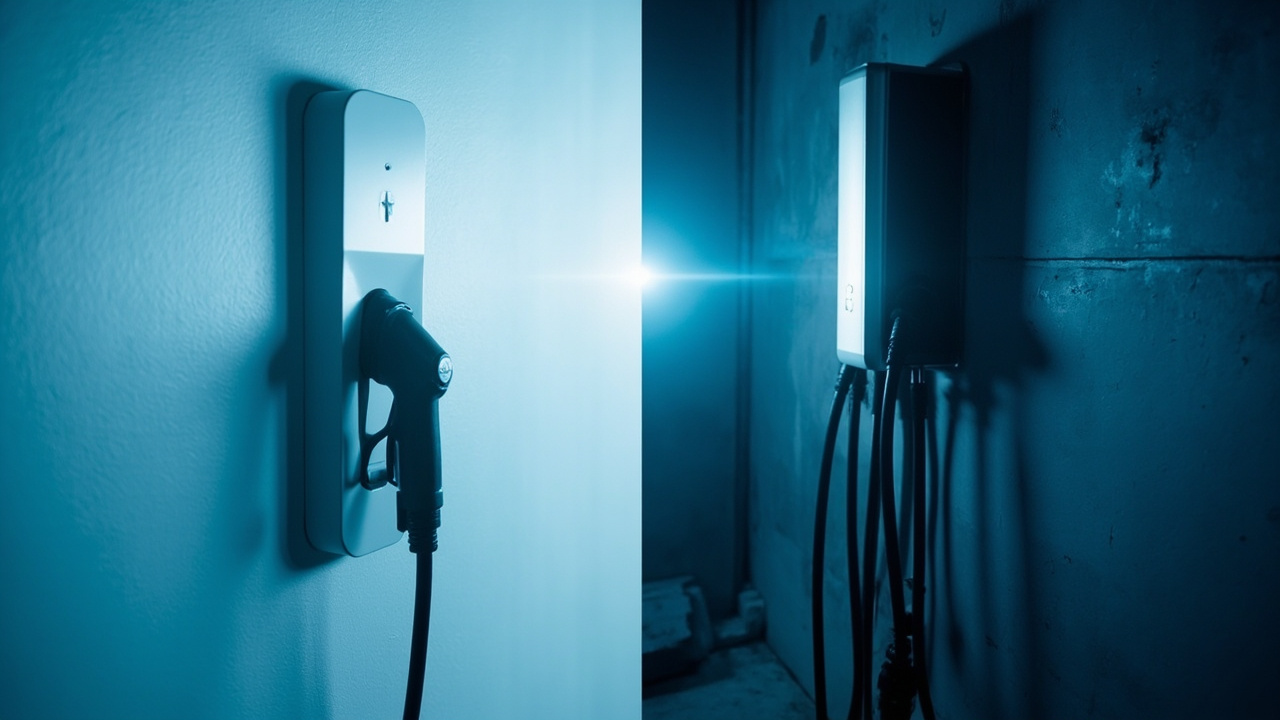
The AC-vs-DC question is the single most important decision in any charging deployment. Get it wrong and you either overspend on hardware nobody uses, or leave drivers frustrated by slow speeds. This guide explains how each technology works and where each one wins.
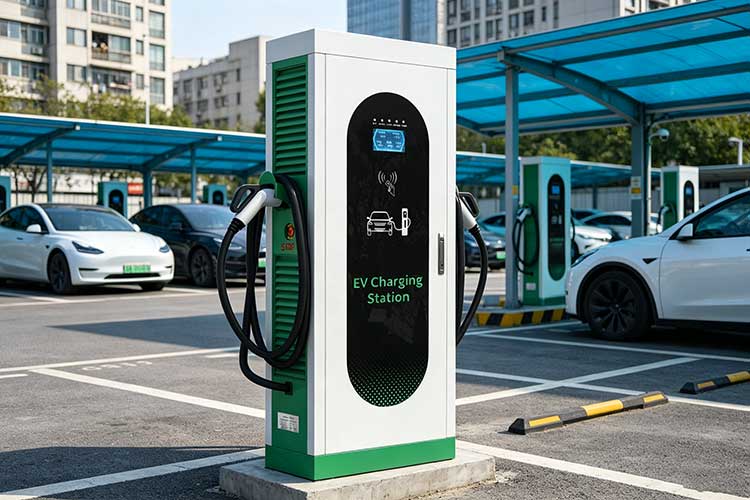
How AC and DC Charging Differ
Every battery stores direct current (DC). The difference is where the conversion from alternating current (AC) happens. With AC charging, the car's on-board charger converts the power — limiting speed to the on-board charger's capacity (typically 7–22 kW). With DC charging, a powerful rectifier inside the station feeds DC straight to the battery, bypassing the on-board limit and enabling 30–360 kW speeds.
AC Charging: The Workhorse for Long Dwell Times
- Power range: 3.7 kW to 22 kW (single or three-phase)
- Lowest hardware cost and simplest installation
- Best fit: homes, apartment garages, workplaces, hotels, fleet overnight depots
- Vehicles typically park 4+ hours, so speed is rarely the priority
DC Fast Charging: Speed Where Minutes Matter
- Power range: 30 kW to 360 kW (and beyond with liquid cooling)
- Refills most EVs to 80% in 20–40 minutes
- Best fit: highways, retail centers, fuel stations, urban quick-stop hubs
- Higher upfront cost and usually requires a three-phase grid connection
A Simple Decision Framework
Need a charging solution for your project?
Contact YLC New Energy Technology for certified AC wall-boxes, DC fast chargers and portable units, with full OEM branding and global shipping.