



Why Home EV Charging Matters
Home EV charging gives drivers the convenience of charging where they live. Instead of relying only on public charging stations, homeowners and residential properties can use a dedicated home EV charger to support daily commuting, overnight charging, and better control over charging time and household energy use.
AC Home Charging for Daily Residential Use
For most residential charging needs, an AC home EV charger provides a practical balance of charging speed, installation flexibility, and daily convenience. Compared with a standard household outlet, a dedicated home EV charger can support more stable and efficient charging for overnight parking, daily commuting, and fixed residential spaces. In markets such as North America, this type of AC charging is often referred to as Level 2 home EV charging.
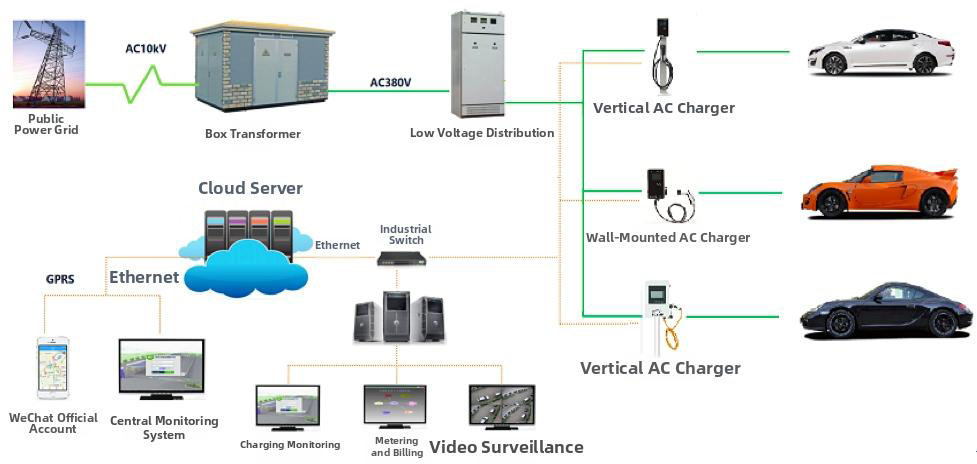
Choose The Right Home EV Charging Setup
Different homes need different charging setups. A wall-mounted home EV charger is suitable for fixed parking spaces and regular daily charging, while a portable EV charger can offer greater flexibility for users who need a movable charging option. Outdoor residential EV chargers are suitable for driveways and exposed parking areas, while smart AC chargers can support app control, scheduling, and load management where configured.
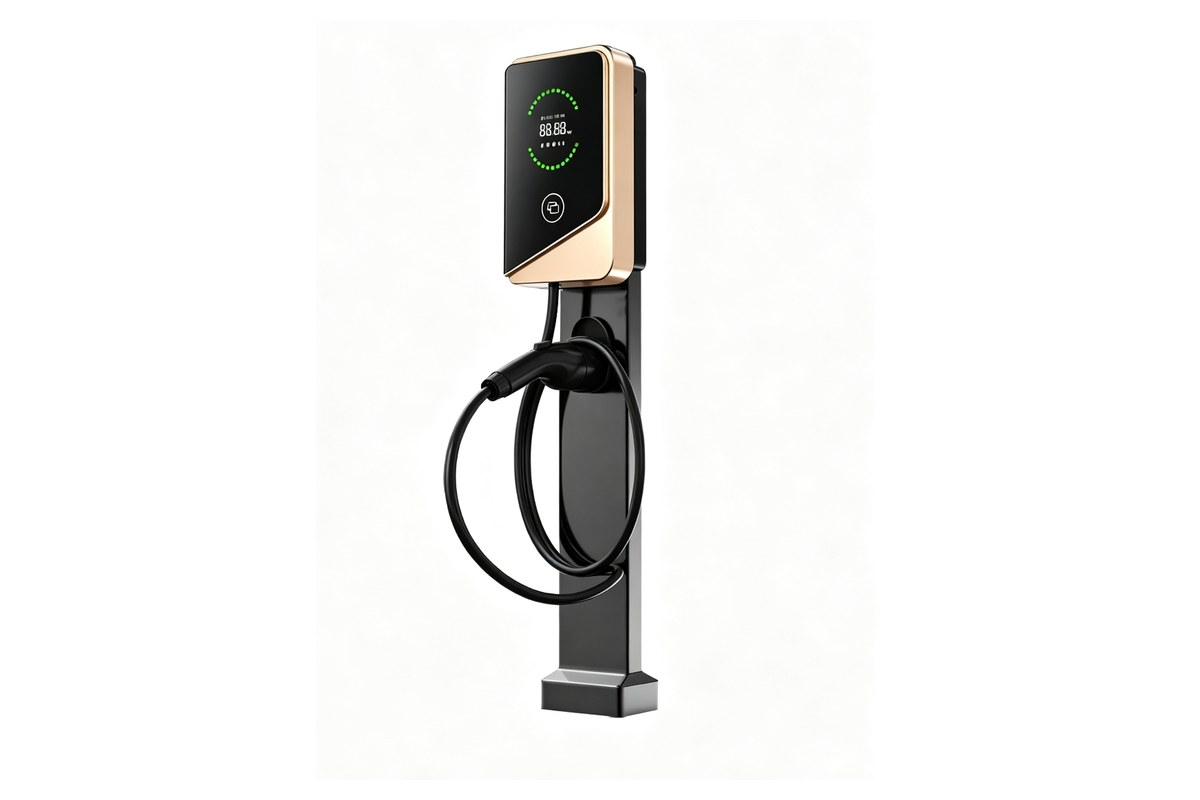
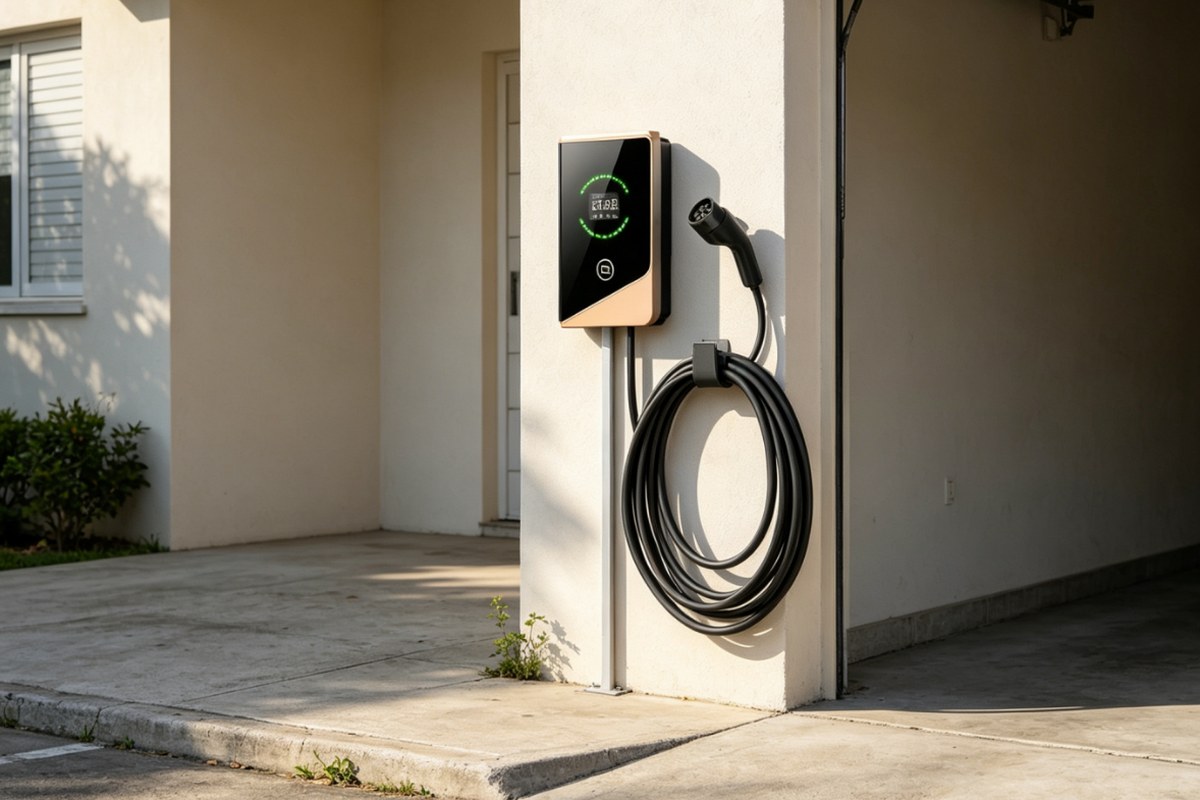
7kW integrated AC charging station features intelligent control to ensure stable energy output based on the charging needs of different vehicle models. It adjusts the input power in real time according to the load to meet users’ needs for safe and fast charging.
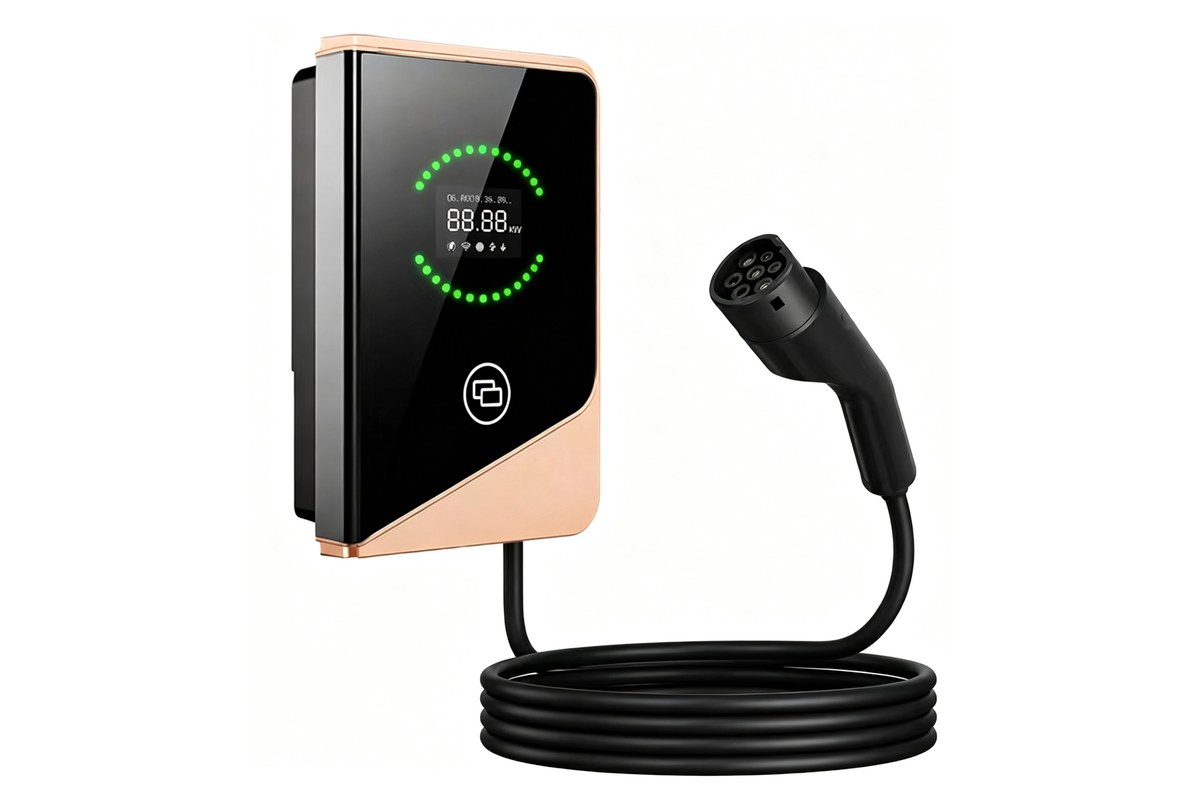
AC EV Charging Station 7kW 14kW 22kW is an ideal charging solution for residential and commercial use. YLC New Energy provides scalable power options, smart charging features, and OEM customization for global EV markets.
Advantages of Home Charging Compared To Public Charging
Find the Right EV Charger for Your Home
Tell us about your parking location, power conditions, charging needs, DLB requirements, time-of-use charging needs, solar compatibility needs, and preferred installation type. YLC New Energy will help you choose a suitable home EV charger or residential EV charging station for your project.

YLC New Energy Opens New 10,000 m² Smart Manufacturing Facility
YLC New Energy Technology has inaugurated a new 10,000 m² facility in Shenzhen, lifting an…
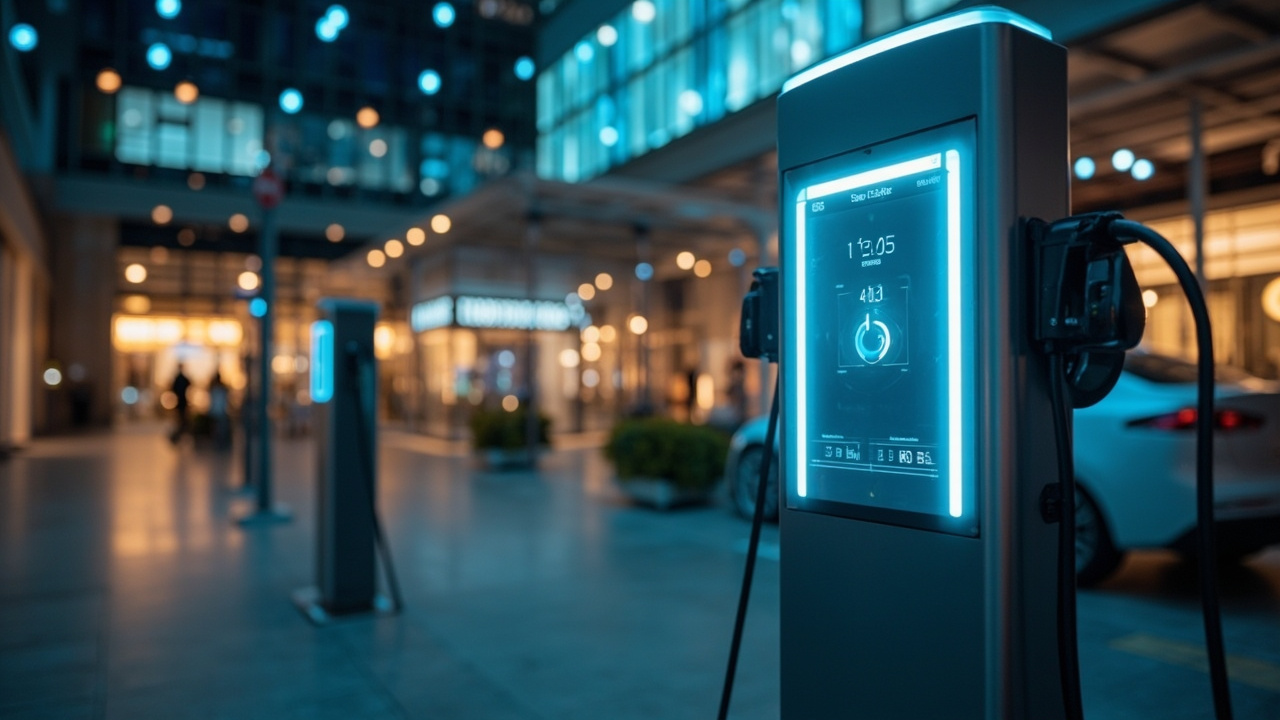
Smart Touch-Screen EV Charging Stations: The 2026 Trend
Large touchscreens are transforming charging stations into advertising, payment and wayfin…
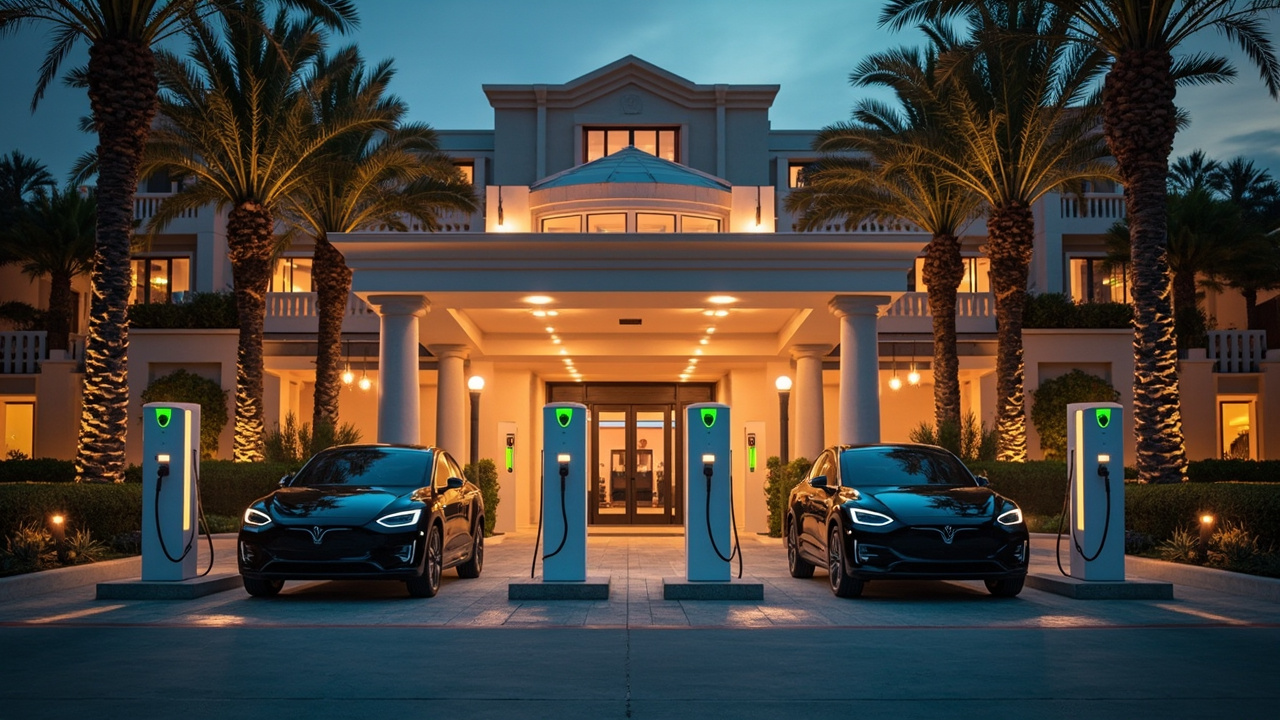
EV Charging at Hotels & Resorts: Boosting Guest Satisfaction
Hotels that install EV charging see longer stays, better reviews and a measurable bookings…