



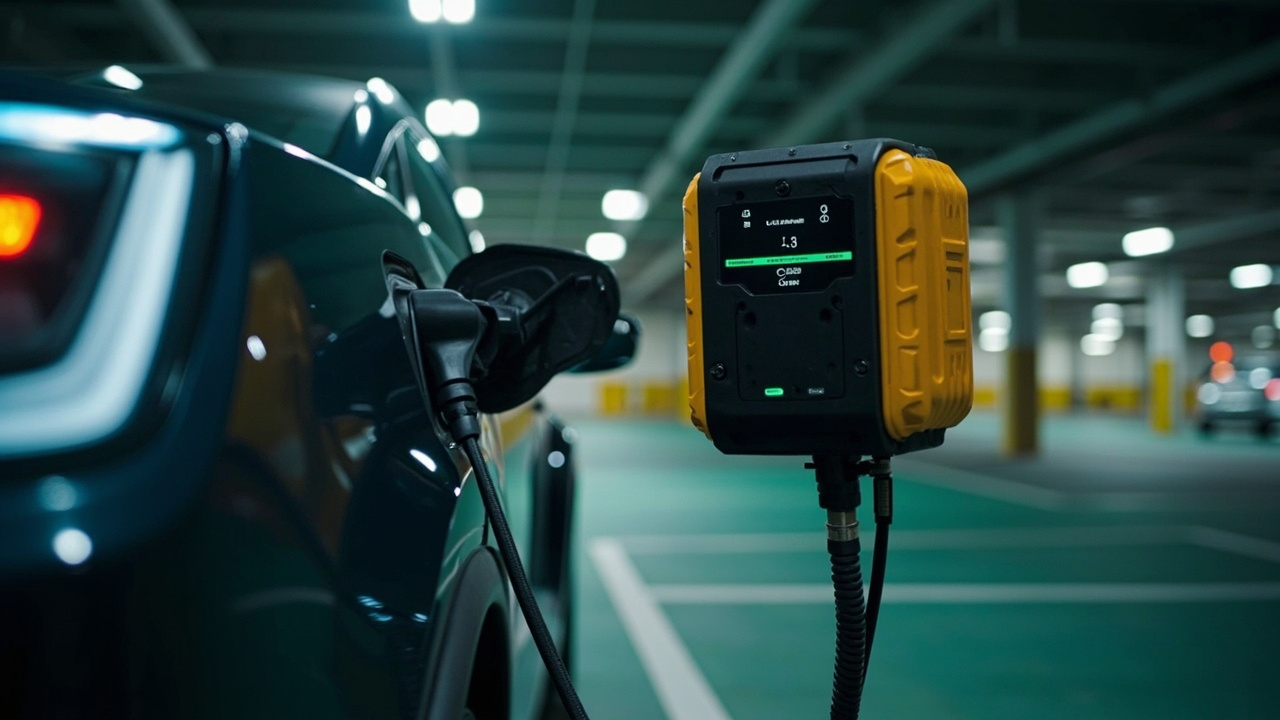
Imagine an EV driver stranded with a flat battery in a parking garage with no fixed charger, or a fleet manager who needs to top up a vehicle inside a warehouse. Portable EV chargers solve these cases with a level of flexibility no fixed station can match — and the 2026 generation is finally powerful enough to be taken seriously.
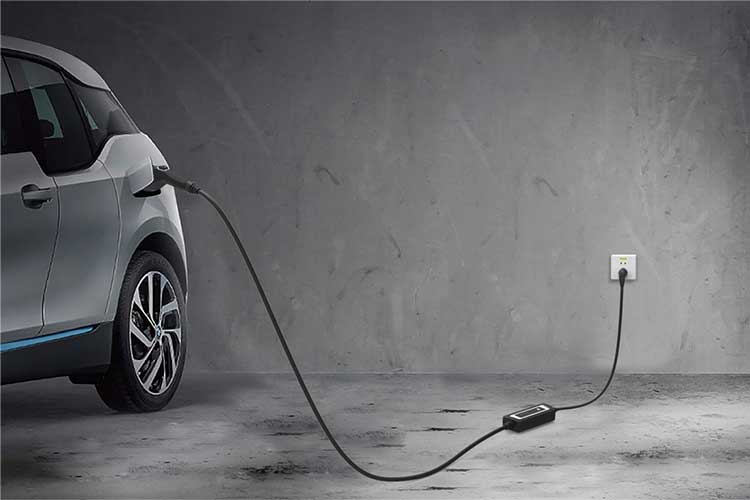
What a Modern Portable Charger Can Do
The market is flooded with uncertified "grey" portable chargers that omit DC leak protection. Always insist on CE marking, a real RCD Type B, and temperature derating that prevents overheating when run for hours on a summer afternoon. A cheap unit that fails can damage the vehicle's on-board charger — a $3,000 mistake to save $100.
Five Scenarios Where Portable Wins
- Output: 3.7 kW to 22 kW, single or three-phase input
- Compatible with standard 16A / 32A / 63A sockets and CEE industrial plugs
- Integrated RCD Type A/B, over-temperature and over-voltage protection
- Compact form factor under 10 kg, with carry handle and weatherproof case
- Type 2 output, with NACS/J1772 variants available
Safety First: Not All Portable Chargers Are Equal
- Roadside assistance fleets rescuing stranded EV drivers
- Construction sites powering electric trucks before permanent install
- Holiday homes and rural properties with no dedicated charger
- Event and film productions running EVs off temporary power
- Test drives and demos for dealerships without fixed infrastructure
Need a charging solution for your project?
Contact YLC New Energy Technology for certified AC wall-boxes, DC fast chargers and portable units, with full OEM branding and global shipping.